
Your cart is currently empty!
BLOG
HISTORY OF MAHARANA PRATAP
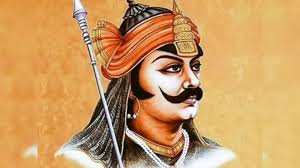
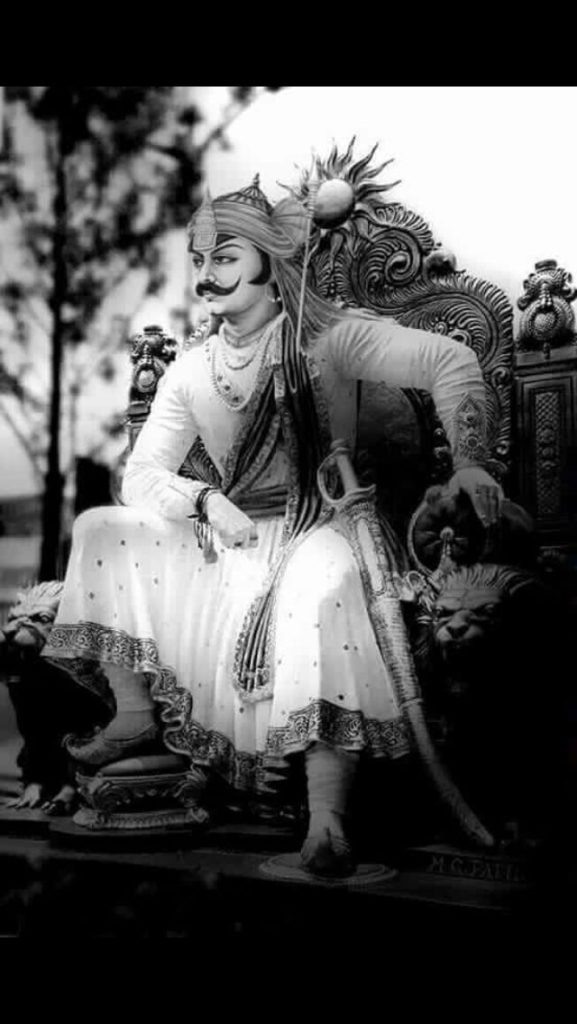
Maharana Pratap was a prominent warrior king and the ruler of Mewar, a region in present-day Rajasthan, India.
Early Life:
Maharana Pratap was born in 1540 to Maharana Udai Singh II, the ruler of Mewar, and his queen, Jaiwanta Bai. He belonged to the Sisodia Rajput dynasty.
He had a strong sense of duty towards his kingdom from a young age and was known for his physical prowess and determination.
Accession to the Throne:
After the death of his father, Udai Singh II, in 1572, Pratap was crowned as the ruler of Mewar. However, there was a significant political struggle, as Udai Singh’s other sons also laid claim to the throne.
Pratap’s accession was contested, and this became a backdrop for his later conflicts.
Conflict with Akbar:
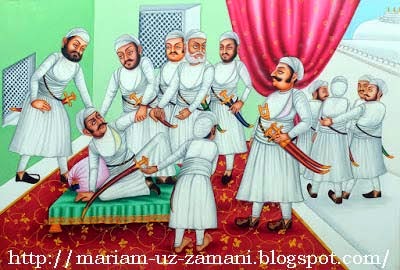
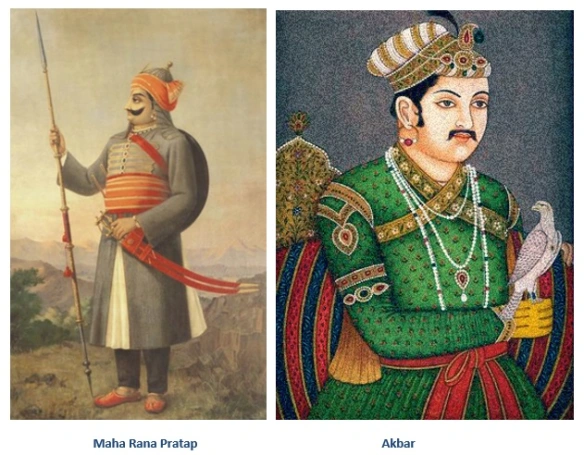
Akbar, the Mughal Emperor, sought to bring Mewar under his control as part of his larger expansionist policies. He sent several emissaries to Maharana Pratap to persuade him to submit to Mughal rule, but Pratap resisted.
The most significant confrontation was the Battle of Haldighati (1576), where Maharana Pratap, with a smaller army, fought against the Mughal forces led by Man Singh of Amber.
Post-Haldighati:
After the Battle of Haldighati, Pratap went into hiding in the hills of Mewar and waged a guerrilla war against the Mughal Empire. He never fully submitted to Mughal rule and continued to resist Akbar’s forces throughout his reign.
He was also known for his deep sense of pride and loyalty to his people, always fighting for Mewar’s independence.
Legacy:
Maharana Pratap is regarded as a symbol of valor, self-respect, and the spirit of resistance.
He was also an advocate for his people’s welfare, promoting a just rule in his domain and building a strong, independent kingdom.
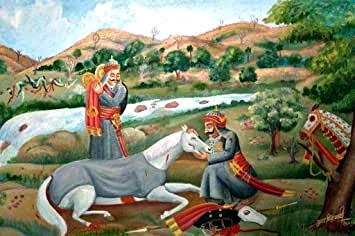
His horse, Chetak, is famous for its bravery during the Battle of Haldighati, where it carried him to safety despite severe injuries.
Death:
Maharana Pratap died in 1597, at the age of 57, from injuries sustained during a hunting accident.
His legacy continued to inspire many generations, and he is remembered as one of the greatest warriors in Indian history.
Leave a Reply